

Precision farming, the French way: when technology reinvents the fields
French agriculture is going through one of its most challenging periods in decades. Rising input costs, unstable prices, climate shocks and growing social pressure have put many farmers under severe economic and psychological strain. This difficult reality, widely visible in public debates and protests, should not be minimized. Yet it should not obscure another, quieter transformation underway in the fields. At the same time as it struggles, French agriculture is also innovating. Precision farming, driven by data, robotics and artificial intelligence, is emerging as a powerful lever to regain control over costs, sustainability and long-term competitiveness.
From data to decisions: how French farms are becoming high-tech systems
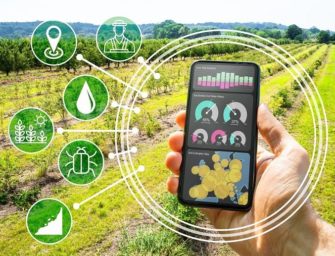
Precision agriculture is built on a simple idea: apply the right input, at the right place, at the right time. In practice, this means deploying soil sensors, connected weather stations, drones and satellite imagery to collect massive amounts of data. Algorithms then transform these signals into actionable decisions, such as adjusting irrigation, fertilization or crop protection plot by plot.
French agri-tech companies are particularly strong in this data-driven layer. Solutions combining satellite data, AI-based crop modeling and farm management software now cover millions of hectares in France and abroad. According to industry estimates, precision tools can reduce fertilizer and pesticide use by 15 to 30 percent while maintaining, or even improving, yields. For farmers, this translates into lower input costs and greater resilience to climate variability.
This technological shift is also supported by public policy. National and European investment plans channel hundreds of millions of euros into digital agriculture, robotics and agroecological innovation, creating a fertile ecosystem for start-ups, cooperatives and industrial players.
Robots, business models and sovereignty: why precision farming matters
Beyond software, hardware innovation is accelerating. Autonomous or semi-autonomous robots are now capable of mechanical weeding, crop monitoring or ultra-targeted treatment application with centimeter-level precision. These machines address two critical issues at once: labor shortages and the need to drastically reduce chemical inputs.
From a business perspective, precision agriculture is reshaping value creation. Companies no longer sell only machines or inputs, but recurring services, data platforms and performance-based solutions. Subscription models and decision-support tools generate predictable revenue streams and make French agri-tech more attractive to investors, while allowing faster international expansion.
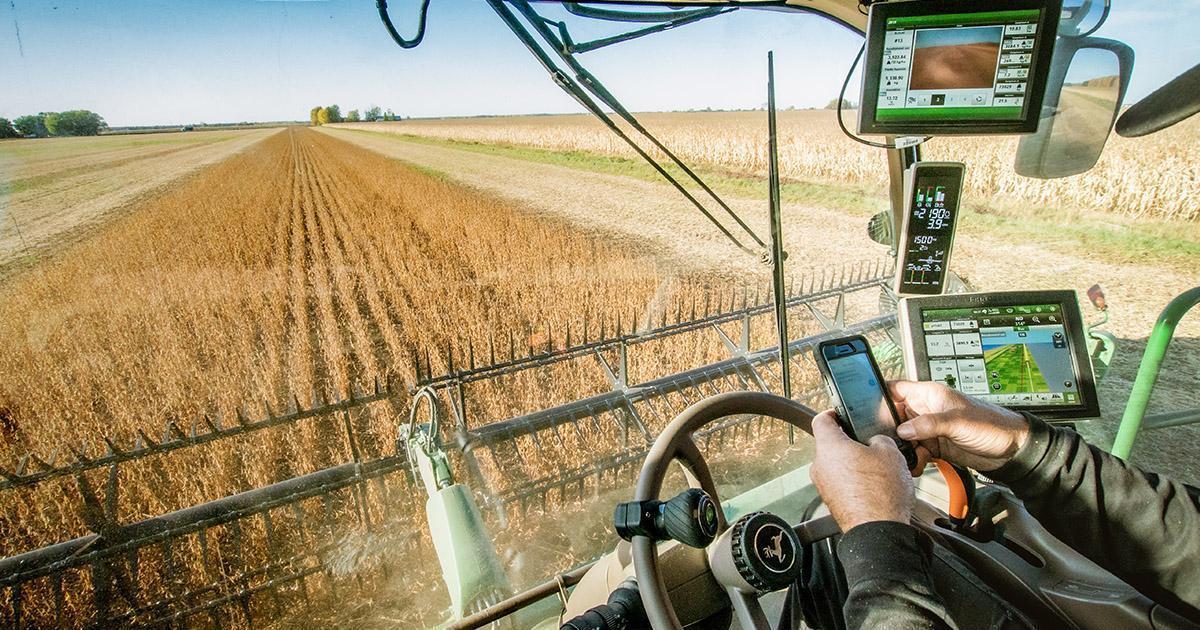
There is also a strategic dimension. Food sovereignty and technological sovereignty are increasingly intertwined. By mastering agricultural data, robotics and decision-making algorithms, France reduces its dependence on imported technologies and strengthens control over its food systems. In a world marked by climate uncertainty and geopolitical tensions, this capability is becoming a competitive advantage.
Precision farming in France is not about replacing farmers with machines. It is about equipping them with smarter tools to navigate an increasingly complex environment. In a sector under pressure, innovation may not solve everything, but it is clearly part of the path forward.
Photos : fnh.org/ wikifarmer.com












There are no comments
Add yours