

Clouds, Chips and Conflict: How Big Tech Is Navigating the Iran War
The ongoing conflict involving Iran has become more than a geopolitical crisis—it is also a major test for the global technology industry. From cloud infrastructure to artificial intelligence and cybersecurity, Big Tech companies are finding themselves deeply entangled in the consequences of modern warfare. The Iran war highlights how digital infrastructure, supply chains, and advanced technologies are increasingly intertwined with global politics.
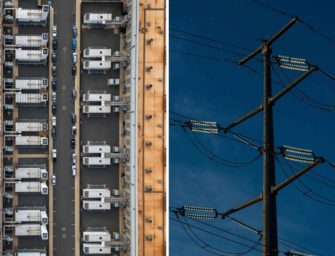
One of the most immediate challenges for technology companies has been the vulnerability of digital infrastructure. Several cloud facilities operated by major providers in the Middle East have already been affected by the conflict. For example, drone strikes damaged data centers belonging to Amazon’s cloud division in the United Arab Emirates and Bahrain, disrupting power supplies and causing outages for companies relying on those services.
These incidents demonstrate that the infrastructure supporting the digital economy—servers, cables, and data centers—is now part of the strategic landscape of war.
Big Tech Face the Risks to Digital Infrastructure
Beyond physical infrastructure, artificial intelligence has emerged as a central component of the conflict. Military planners are increasingly relying on AI systems developed by technology companies to process large volumes of intelligence data, identify targets, and coordinate operations more efficiently. In some cases, AI tools have reportedly allowed small military teams to perform tasks that previously required thousands of personnel.
This shift highlights a growing convergence between Silicon Valley innovation and national defense strategies, raising difficult questions about the ethical responsibilities of technology firms whose tools are used in military contexts.
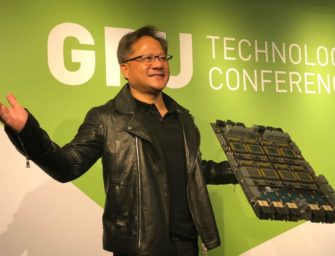
The conflict is also exposing vulnerabilities in the global semiconductor ecosystem—another area where Big Tech has major stakes. Advanced AI systems rely heavily on specialized chips and materials that come from a complex international supply chain. The Iran crisis threatens some of those supply routes, particularly those linked to Middle Eastern resources used in semiconductor manufacturing. Analysts warn that prolonged instability could disrupt chip production and delay the expansion of global AI infrastructure.
Meanwhile, the war has triggered a surge in cyber activity. Governments and hacktivist groups aligned with different sides have launched phishing campaigns, distributed denial-of-service attacks, and other forms of digital disruption targeting critical infrastructure and organizations around the world.
This cyber dimension forces technology companies—especially those in cybersecurity—to take a more active role in protecting digital networks from politically motivated attacks.
Technology firms are also facing operational challenges in the region. Companies with employees or operations in the Middle East have had to implement remote work policies, suspend projects, or evacuate staff as security risks increase. Some Chinese tech companies operating in the region have reportedly halted certain activities due to safety concerns and logistical disruptions caused by the conflict.
Rising Data Center Operating Costs.
Finally, the broader economic consequences of the war are likely to affect the tech industry in indirect but significant ways. Rising energy prices and geopolitical uncertainty can increase operating costs for data centers, manufacturing plants, and logistics networks. These pressures could slow global investment in digital infrastructure and delay some technology projects if the conflict continues.
In many ways, the Iran war illustrates how the technology sector has become inseparable from global geopolitics. Cloud platforms, AI systems, semiconductor supply chains, and cybersecurity tools now play crucial roles in both economic activity and national security. For Big Tech companies, navigating this new reality means balancing innovation, business interests, and the growing expectation that they act responsibly in an increasingly unstable world.
Photos : IA












There are no comments
Add yours