

Why Investors Are Betting on Brain Organoids
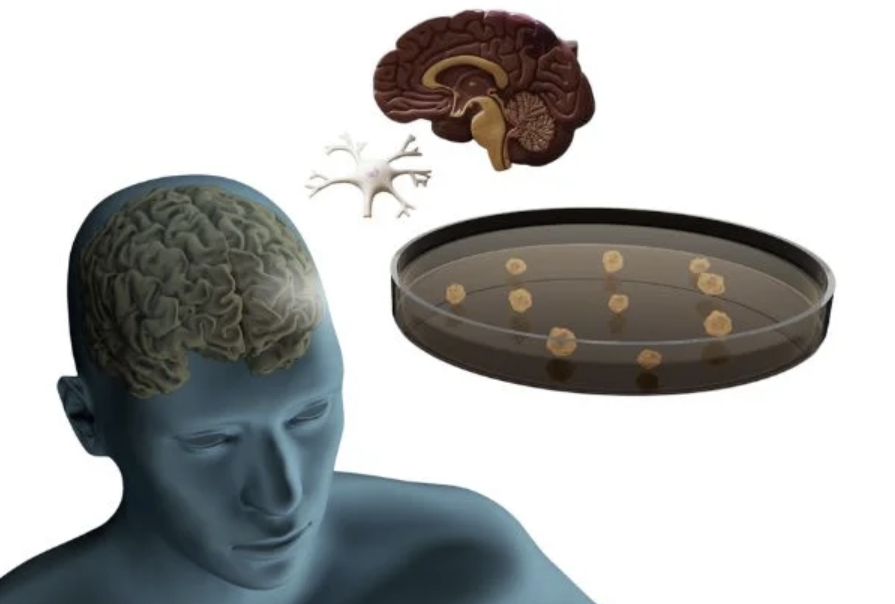
For decades, neuroscience has struggled with a fundamental problem: the human brain is extraordinarily difficult to study. Animal models often fail to reproduce human neurological diseases accurately, while direct experimentation on human brain tissue remains highly limited. Brain organoids — miniature three-dimensional neural structures grown from stem cells — are rapidly emerging as a solution, creating an entirely new market at the crossroads of biotechnology, neuroscience, and artificial intelligence.
Although commonly nicknamed “mini-brains,” brain organoids are far from fully functional human brains. They are simplified biological models capable of reproducing certain aspects of brain development and neural organization. Yet their scientific and commercial potential is already attracting billions of dollars in investment.
Why Brain Organoids Could Transform the Pharmaceutical Industry
The pharmaceutical industry faces enormous challenges in developing treatments for neurological disorders. Diseases such as Alzheimer’s, Parkinson’s, epilepsy, and autism spectrum disorders remain poorly understood, and clinical trial failure rates in neurology are among the highest in medicine.
Brain organoids offer pharmaceutical companies a new generation of testing platforms. By using human stem cells, researchers can create organoids that more closely mimic human brain biology than traditional animal models. This allows scientists to study disease mechanisms, test drug candidates, and evaluate toxicity with unprecedented precision.
The market opportunity is considerable. Global spending on neurological drug development continues to grow, while pressure increases to reduce animal experimentation and accelerate drug discovery pipelines. Biotech startups specializing in organoid technologies are positioning themselves as essential partners for pharmaceutical companies seeking faster and more reliable research models.
Several companies have already built their business around this emerging field. Startups such as Cortical Labs, Bit.Bio, and FinalSpark are developing platforms combining organoids, neural interfaces, and artificial intelligence. Some researchers even envision future systems in which biological neural networks complement traditional computing architectures.
Ethical Questions and the Future of Neurotechnology
As investment accelerates, ethical concerns are becoming increasingly central to the conversation. The more sophisticated brain organoids become, the more researchers and policymakers debate the possibility of primitive forms of consciousness or sensory processing emerging in laboratory-grown neural tissue.
While current organoids remain far from possessing awareness, the rapid pace of technological progress has pushed ethical discussions into mainstream scientific debate. Regulatory frameworks are still evolving, and governments may soon face difficult decisions regarding experimentation limits, commercialization, and intellectual property rights.
At the same time, competition between countries is intensifying. The United States, Japan, China, and several European nations are investing heavily in stem cell research and neurotechnology. Universities, pharmaceutical companies, and venture capital firms all recognize the strategic importance of mastering these technologies early.
Beyond medicine, brain organoids could eventually influence fields ranging from robotics to artificial intelligence. Their ability to replicate aspects of human neural computation makes them attractive not only for healthcare applications, but also for the future of computing itself.
The business of brain organoids is therefore about far more than laboratory research. It represents the emergence of a new technological frontier — one where biology, computing, ethics, and global competition increasingly intersect.
Photos : embs.org – drdeepakaiims.com/


















There are no comments
Add yours