

The Relaxed Leader: Why the Best Executives Don’t Burn Out
In the mythology of modern business, great leaders are often portrayed as tireless machines: first in, last out, permanently connected, thriving on pressure and running on caffeine. Exhaustion has long been framed as proof of ambition. But behind the scenes, a different model of success is emerging. Many high-performing executives are quietly redefining leadership through sustainability rather than intensity. Their competitive advantage is not working more, but managing energy better.
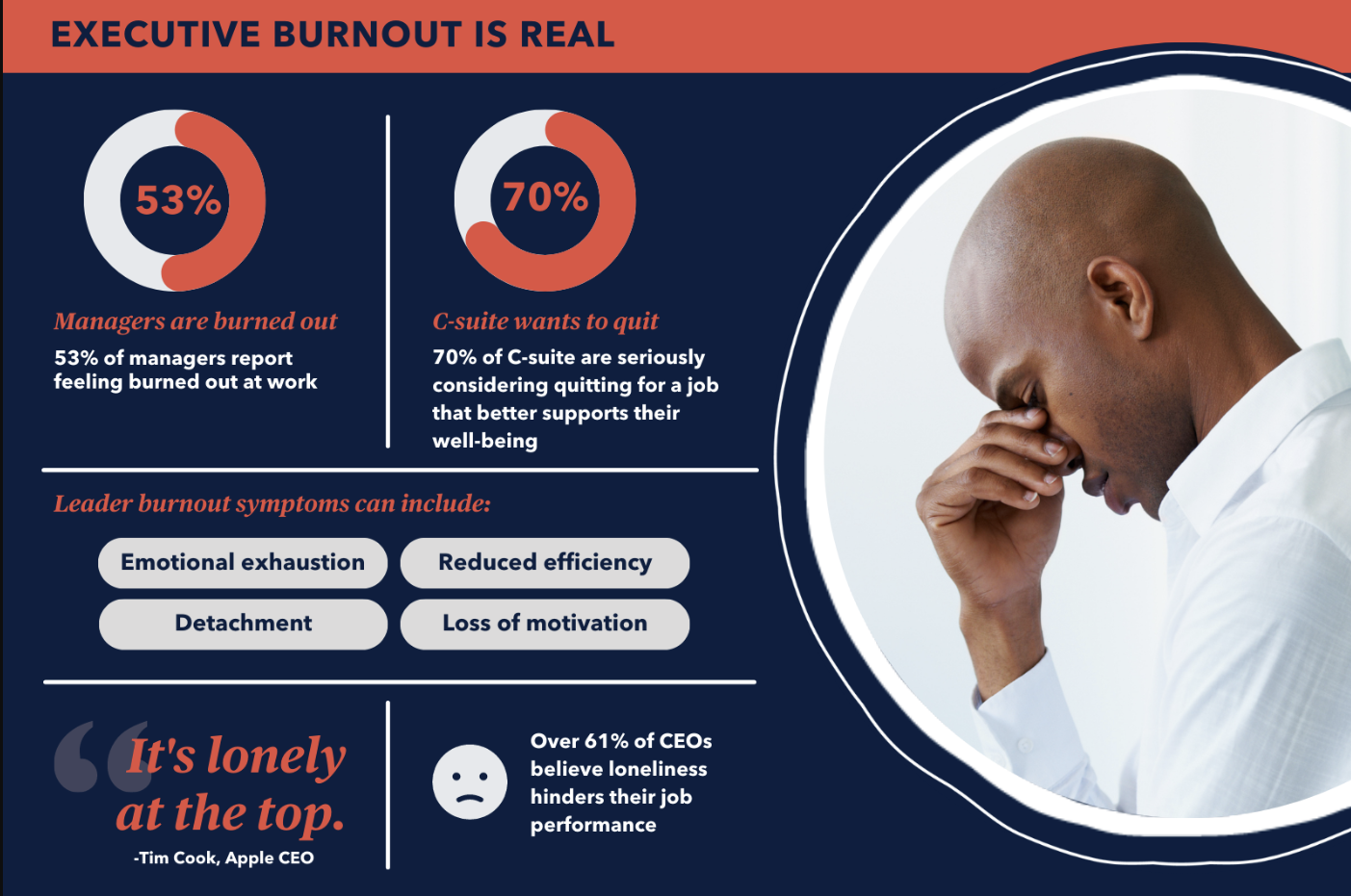
The most effective leaders understand a truth that hustle culture tends to ignore: burnout is not a badge of honor. It is a performance risk.
From Hustle Culture to Energy Culture
For years, overwork was normalized and even celebrated. Packed calendars, late-night emails, and chronic stress were seen as the price of achievement. Yet the consequences are now well documented. Fatigue impairs judgment. Stress narrows creativity. Emotional exhaustion destabilizes teams. Leaders operating in survival mode make reactive decisions instead of strategic ones.
Relaxed leaders challenge the false equation between pressure and productivity. They focus on preserving cognitive bandwidth. Instead of asking “How much can I handle?” they ask “How can I perform at a high level consistently?”
This shift begins with boundaries. Not defensive walls, but intentional limits designed to protect focus and clarity. Executives who avoid burnout are remarkably disciplined about prioritization. They schedule recovery with the same seriousness as meetings. They decline low-value commitments. They separate urgency from importance.
Relaxation, in this context, is not disengagement. It is strategic restraint.
The Power of Deliberate Disconnection
Contrary to popular belief, top executives are not always “on.” Many deliberately create moments of disconnection from devices, notifications, and corporate noise. Constant connectivity fragments attention, and fragmented attention erodes leadership quality.
Relaxed leaders engineer mental space. Device-free mornings. Walking meetings. Deep-work blocks. Screenless evenings. These pauses are not escapes from responsibility. They are investments in sharper thinking.
Distance creates perspective. Perspective improves decisions.
Ironically, stepping back often accelerates progress. When leaders stop reacting to every signal, they regain the ability to think long-term, identify patterns, and focus on what truly moves the needle.
Redefining Strength in Leadership
Perhaps the most significant transformation is psychological. Relaxed leaders redefine what strength looks like. Traditional leadership narratives often glorify endurance: pushing through stress, absorbing pressure indefinitely, never slowing down. But sustainable leadership relies on adaptability rather than sheer stamina.
Calm leaders acknowledge stress instead of denying it. They delegate instead of micromanaging. They normalize rest instead of romanticizing exhaustion. This mindset produces tangible advantages: clearer strategic thinking, better emotional regulation, more stable team dynamics, and fewer impulsive decisions.
Composure becomes a leadership asset.
In high-stakes environments, the ability to remain centered under pressure directly influences organizational outcomes. Teams respond to the emotional tone of leadership. Anxiety spreads. So does steadiness.
Sustainable Performance Is the New Prestige
The relaxed leader is not passive, detached, or indifferent. On the contrary, they are deeply engaged, but in a way that preserves longevity. They understand that leadership is not a sprint powered by adrenaline, but a marathon fueled by clarity, health, and presence.
They optimize for durability. They protect sleep as fiercely as KPIs. They treat recovery as part of execution rather than a reward after exhaustion. Most importantly, they model this behavior. Teams mirror leaders. When executives embody sustainable work patterns, cultures slowly shift away from burnout-driven norms.
In an era defined by volatility, complexity, and information overload, the capacity to remain composed may be the ultimate executive skill. The relaxed leader does not avoid pressure. They metabolize it without self-destruction.
Because the defining question of modern leadership is no longer “How hard can you push?”
It is “How long can you lead well?”
Photos : focuswise.com – chiefexecutive.net









There are no comments
Add yours